Skip to main content
FATHERHOOD.ORG
STORE.FATHERHOOD.ORG
How To Build Strong Families
Why Father Inclusion Matters
Show submenu for Get Involved
Get Involved
Fatherhood Programs
Train Your Staff
State, County, and City Agency Services
Open main navigation
Close main navigation
Show submenu for Get Informed
Get Informed
How To Build Strong Families
Why Father Inclusion Matters
Father Stats & Infographics
Show submenu for Get Involved
Get Involved
Fatherhood Programs
Train Your Staff
State, County, and City Agency Services
Show submenu for Get Started
Get Started
Find Your Stage of Father Inclusion
How Father Friendly Is Your Organization?
Get In Touch
Store
Get In Touch
Store
Show submenu for Get Started
Get Started
Find Your Stage of Father Inclusion
How Father Friendly is Your Organization?
Fatherhood Data & Statistics
Other Free Resources
Talk With us to Get Started
STORE
GET STARTED: FREE RESOURCES
Support Your Work
with Fathers
Categories
Guides & Reports
Tip Sheets
Pre-Recorded Webinars
Fatherhood Surveys & Research
Infographics
Guides & Reports
View All
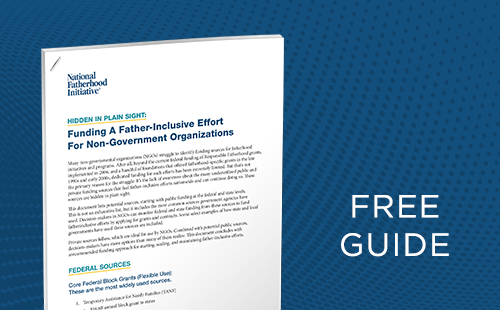
Funding A Father-Inclusive Effort For Non-Governmental Organizations
Get The Guide!
The $154 Billion Man: The Economic Argument for Investing in Fathers
Get The Report!
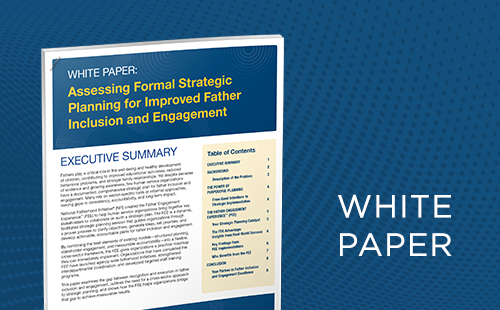
Assessing Formal Strategic Planning for Improved Father Inclusion and Engagement
Get The White Paper!
Tip Sheets
View All
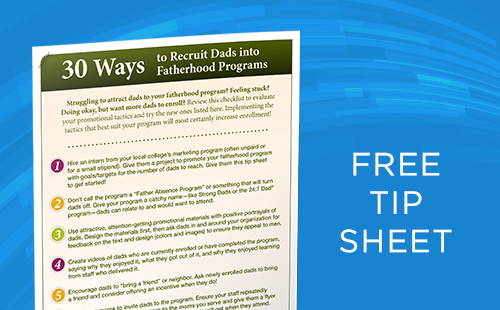
30 Ways to Recruit Dads into Fatherhood Programs
Get Your Tip Sheet!
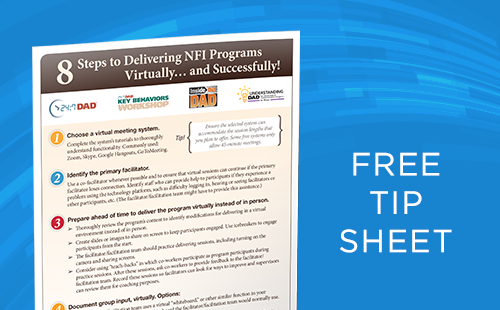
8 Steps to Delivering NFI Programs Virtually... and Successfully
Get Your Tip Sheet!
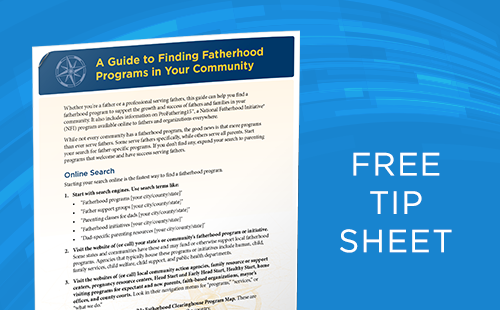
A Guide to Finding Fatherhood Programs in Your Community
Get Your Tip Sheet!
Pre-Recorded Webinars
View All
All About ProFathering15™: A Flexible, Budget-Friendly Way to Include Dads
Access The Recording!
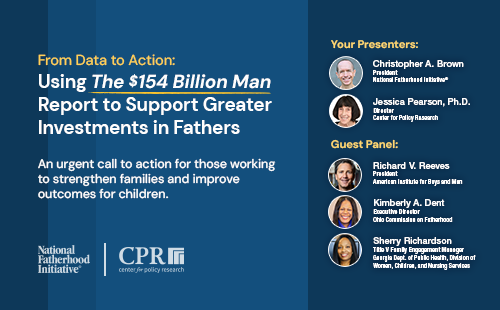
Using The $154 Billion Man Report to Support Greater Investments in Fathers
Access The Recording!
How to Mobilize Your City or County Using NFI’s Community Mobilization Approach™
Access The Recording!
Fatherhood Surveys & Research
View All
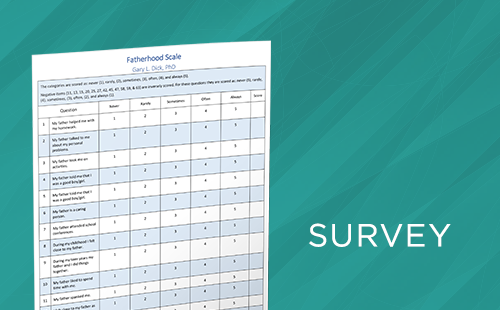
Fatherhood Scale
Get The Survey!
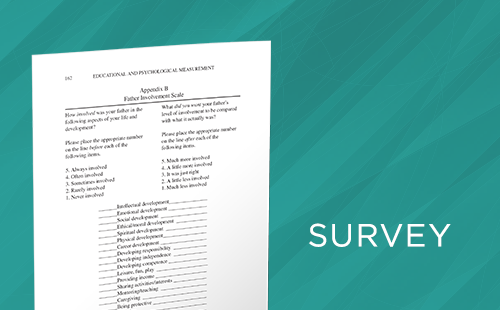
Father Involvement Scale (See Appendix B)
Get The Survey!
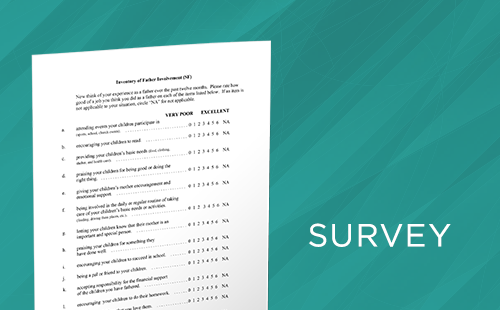
Inventory of Father Involvement (Short Form)
Get The Survey!
Infographics
View All
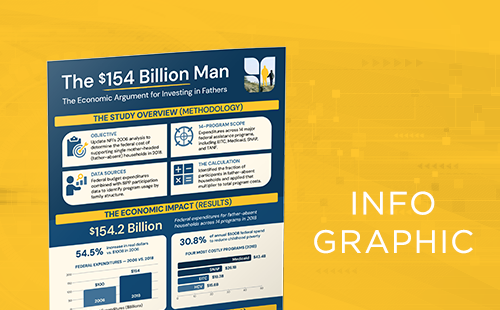
The $154 Billion Man
Get The Infographic!
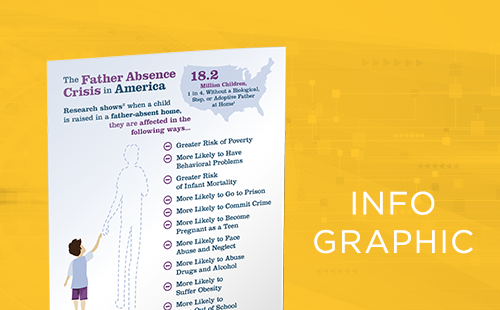
The Father Absence Crisis in America
Get The Infographic!
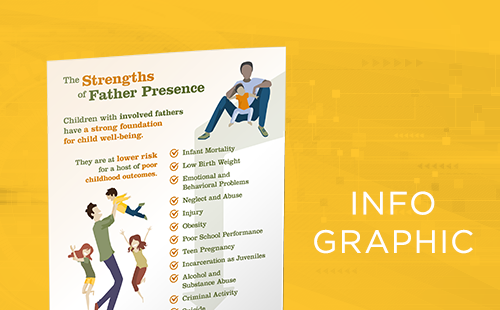
The Strengths of Father Presence
Get The Infographic!
Learn more about the benefits of father involvement.
See how to become a father-inclusive organization by visiting the following resources:
Get Started
Browse Catalog


%201%20(1).png?width=148&height=88&name=NFI_logo_blue_left%20(1)%201%20(1).png)


 FATHERHOOD.ORG
%201.png?width=149&height=82&name=NFI_logo_blue_left%20(1)%201.png)
%201.png?width=119&height=65&name=NFI_logo_blue_left%20(1)%201.png)
%201.png?width=119&height=66&name=NFI_logo_blue_left%20(1)%201.png)
%201.png?width=89&height=49&name=NFI_logo_blue_left%20(1)%201.png)