 FATHERHOOD.ORG
%201.png?width=149&height=82&name=NFI_logo_blue_left%20(1)%201.png)
%201.png?width=119&height=65&name=NFI_logo_blue_left%20(1)%201.png)
%201.png?width=119&height=66&name=NFI_logo_blue_left%20(1)%201.png)
%201.png?width=89&height=49&name=NFI_logo_blue_left%20(1)%201.png)
How Do You Keep Fatherhood Facilitators Engaged?
2 min read


High turnover can be both costly and damaging to an organization’s culture, especially in programs that rely on strong relationships and consistent support. Recent findings from the Social Impact Staff Retention project (2026) show that 71% of nonprofit employees are either actively seeking a new job or planning to do so within the year.
At the same time, 74% say that a strong connection to their organization’s mission is a primary reason they stay. This highlights the importance of creating a team culture where fatherhood facilitators feel engaged, valued, and supported. Retaining committed and talented team members begins with intentional leadership, shared values, and opportunities for ongoing growth and development.
Creating a Strong Team Culture
Organizations and teams are only as strong as the people leading them. When facilitators feel supported, valued, and connected to a healthy team culture, they are more likely to thrive within your organization, stay engaged, and continue making an impact on fathers and families.
In her book Bet on Talent, former Chick-fil-A Vice President Dee Ann Turner defines organizational culture as a shared set of beliefs, practices, and expectations that shape how staff interact with one another and serve those around them. In addition, she explains that building a strong culture begins with finding and developing the right people. Your organization’s hiring and staffing decisions directly influence the type of culture it creates.
What are the key elements of a strong team culture? There are several, including:
- Leadership Commitment. Strong leadership is one of the biggest factors in staff growth and retention. Turner says that change in any culture begins at the top of the organization, where leadership intentionally encourages and serves those within it. Facilitators are more likely to remain in their roles when leaders are visible, supportive, and committed to helping them succeed.
- Team Development. While facilitators benefit from program trainings like National Fatherhood Initiative®'s 24:7 Dad® facilitator training, they also need ongoing support through coaching, peer connections, team meetings, and opportunities to process challenges. Turner mentions that “before you can create remarkable experiences for customers, you must create amazing experiences for your employees.” Servicing fathers and families can be emotionally demanding work; as a result, leaders must be committed to ongoing facilitator development.
- Shared Values. The strongest teams are built around shared values. According to Turner, “these values are the fundamental beliefs that inform decisions, actions, and behaviors, and they rest at the heart of the culture.” Participating fathers are more likely to feel welcomed and connected when every staff member reflects the same commitment to father engagement. That’s one of the reasons why National Fatherhood Initiative® created the Father Friendly Quick Check™ and the more comprehensive Father Friendly Check-Up™. The more your leaders, facilitators, and other staff buy into the organizational culture, the more likely teams will be to have sustained growth.
Retention Matters
Cultivating an environment where fatherhood facilitators feel supported, valued, and connected to the mission is essential for long-term sustainability. When organizations prioritize intentional leadership, shared values, and ongoing professional development, they are more likely to retain talented staff and create stronger outcomes for fathers and families.
How can you retain facilitators? In addition to factors influencing employee retention in general—such as supportive managers, fair pay, development opportunities, and work-life balance—here are a few suggestions from Turner to consider:
- Honor others by demonstrating that you think highly of them.
- Express your appreciation for the value of varying strengths and abilities.
- Help them to see where they fit in the future of the organization.
Retaining talented facilitators starts with intentional leadership, ongoing team development, and shared values that shape organizational culture. When these elements align, facilitators are better supported, teams remain engaged, and organizations are better equipped to effectively serve fathers.
What steps is your organization taking to support facilitator morale and retention?
What core value within your team or organization indicates that father engagement is a priority?
What opportunities exist to strengthen leadership, improve team development, and establish shared values within your team?
Date Published: 04/28/2026
Last Updated: 08/17/2026
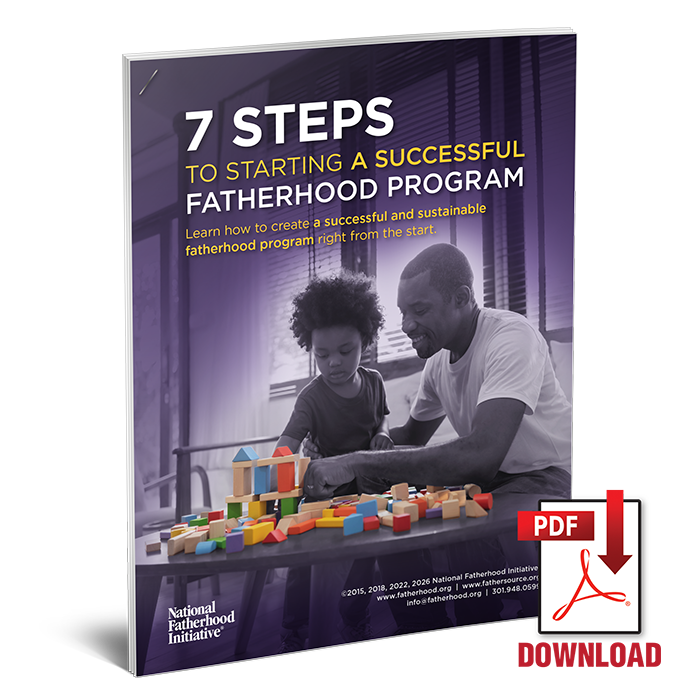
Learn How to Build a Fatherhood Program That Works
Download this free guide for a proven 7-step roadmap—from making the case and securing funding for your program, to launching and measuring real results!

%201%20(1).png?width=148&height=88&name=NFI_logo_blue_left%20(1)%201%20(1).png)


