 FATHERHOOD.ORG
%201.png?width=149&height=82&name=NFI_logo_blue_left%20(1)%201.png)
%201.png?width=119&height=65&name=NFI_logo_blue_left%20(1)%201.png)
%201.png?width=119&height=66&name=NFI_logo_blue_left%20(1)%201.png)
%201.png?width=89&height=49&name=NFI_logo_blue_left%20(1)%201.png)
Limited Blog Series: Supporting My Co-Parent
5 min read


Quick Confidence Builds are brief activities that practitioners can use when working with dads in face-to-face or virtual group-based or one-on-one settings. (The group-based version is described first.) Practitioners can download a PDF of each activity for their use and to share with others. These activities help build fathering confidence, a vital factor influencing dads’ involvement in their children’s lives. Dads only need pen and paper to write down information when instructed. The practitioner needs only something to record on when instructed, such as a flip chart or whiteboard when working with dads face-to-face or a virtual whiteboard or chat when working with them virtually. Estimated times include reflection, discussion, and facilitator feedback. The exact timing will depend on many factors, such as facilitator experience and skill, the size of a group, how comfortable dads are in sharing their experiences and ideas, and their commitment to growing in their fathering.
Source: The activities are inspired by The 24:7 Dad: 12 Habits of Confident Fathers by National Fatherhood Initiative® President Christopher A. Brown. Visit confidentfathers.com to learn more about the book released on June 2, 2026!
Quick Confidence Build: How Can I Best Support My Co-Parent?
Time: 20-25 minutes (group-based); 10-15 minutes (one-on-one)
The Goal: Help dads identify ways they can support their co-parent.
Why This Matters: Dads can become so focused on being the best father they can be that they lose sight of how much their co-parent’s success affects their own. When dads support their co-parent, parenting often becomes less stressful, more consistent, and more rewarding—which builds confidence for everyone involved.
The Activity (Group-Based)
Step 1: Co-Parenting’s Meaning (2 minutes)
(Write “Co-Parenting” on a flip chart or whiteboard.)
ASK: What does the term “co-parenting” mean to you?
(Record their responses.)
SAY: Co-parenting involves two or more adults who together raise children for whom they share responsibility. Co-parents can be romantically involved or not and live together or not. The key is that they’re raising one or more children together, regardless of the nature of their relationship.
Step 2: My Co-Parent’s Support (6 minutes)
SAY: It’s easier to be the best father you can be when you have the support of your co-parent.
ASK: In what ways does your co-parent support your ability to be a good father?
(Depending on the quality of the dads’ relationship with their co-parent, some might have difficulty identifying any ways. If they have difficulty, encourage them to focus on actions rather than feelings about the relationship.)
ASK: When was the last time you thanked your co-parent for supporting you?
(Encourage them to be aware of all the ways their co-parent supports them and to thank their co-parent regularly. If no one responds, ask: “What’s one small thing your co-parent does that you may take for granted?”)
Step 3: Supporting My Co-Parent (10 Minutes)
(Pair the dads for this step.)
SAY: Part of being the best father you can be involves supporting your co-parent. Work with your partner for the next four minutes to identify how each of you supports your co-parent. Write them down.
(Have the pairs report back. Record their responses.)
(Depending on the quality of the dads’ relationship with their co-parent, some might not support their co-parent at all. Listen without passing judgment.)
SAY: Take the next four minutes to work with your partner to identify one or two more ways that each of you can support your co-parent, such as helping handle a recent challenge they’re facing. Write them down.
(Encourage them to choose things that are realistic and within their control.)
(Have the pairs report back. Record their responses.)
Step 4: My Next Step (6 minutes)
SAY: Work on your own to identify the one way you can support your co-parent this week or next that would make the biggest difference. Use the lists we’ve created for inspiration. Write down how you’ll support your co-parent and exactly when you’ll approach them to offer that support.
(Have them report back. Encourage them to offer each other suggestions and to modify their support if they hear anything from the others that can improve their plan.)
Step 5: Wrap Up (1 minute)
SAY: Being a confident father isn’t only about what you do with and for your children. It also involves what you do with and for your co-parent. Following through on this support will strengthen your co-parenting team—and your confidence as a father.
The Activity (One-on-One)
Step 1: Co-Parenting’s Meaning (1 minute)
(Write “Co-Parenting” on a flip chart or whiteboard.)
ASK: What does the term “co-parenting” mean to you?
(Record his responses.)
SAY: Co-parenting involves two or more adults who together raise children for whom they share responsibility. Co-parents can be romantically involved or not and live together or not. The key is that they’re raising one or more children together, regardless of the nature of their relationship.
Step 2: My Co-Parent’s Support (3 minutes)
SAY: It’s easier to be the best father you can be when you have the support of your co-parent.
ASK: In what ways does your co-parent support your ability to be a good father?
(Depending on the quality of the relationship with his co-parent, he might have difficulty identifying any ways. If he has difficulty, encourage him to focus on actions rather than feelings about the relationship.)
ASK: When was the last time you thanked your co-parent for supporting you?
(Encourage him to be aware of all the ways his co-parent supports him and to thank his co-parent regularly. If he doesn’t respond, ask: “What’s one small thing your co-parent does that you may take for granted?”)
Step 3: Supporting My Co-Parent (5 Minutes)
SAY: Part of being the best father you can be involves supporting your co-parent. In the next two minutes, identify the ways you support your co-parent. Write them down. Then share those ways with me.
(Depending on the quality of the relationship with his co-parent, he might not support them in any way. Listen without passing judgment.)
SAY: Take the next two minutes to identify one more way that you could support your co-parent, such as helping handle a recent challenge they’re facing. Write it down. Then share it with me.
(Encourage him to choose something realistic and within his control.)
Step 4: My Next Step (1 minute)
ASK: In looking at the one way you can support your co-parent that would make the biggest difference, when will you approach your co-parent this week or next to offer that support? Write down how you’ll support your co-parent and exactly when you’ll approach them to offer that support.
Step 5: Wrap Up (1 minute)
SAY: Being a confident father isn’t only about what you do with and for your children. It also involves what you do with and for your co-parent. Following through on this support will strengthen your co-parenting team—and your confidence as a father.
Be sure to download and share the PDF of each activity to use and to share with others. Stay tuned for more in the series!
If you missed the previous Quick Confidence Build, click here to check it out!
Date Published: 07/28/2026
Last Updated: 08/17/2026
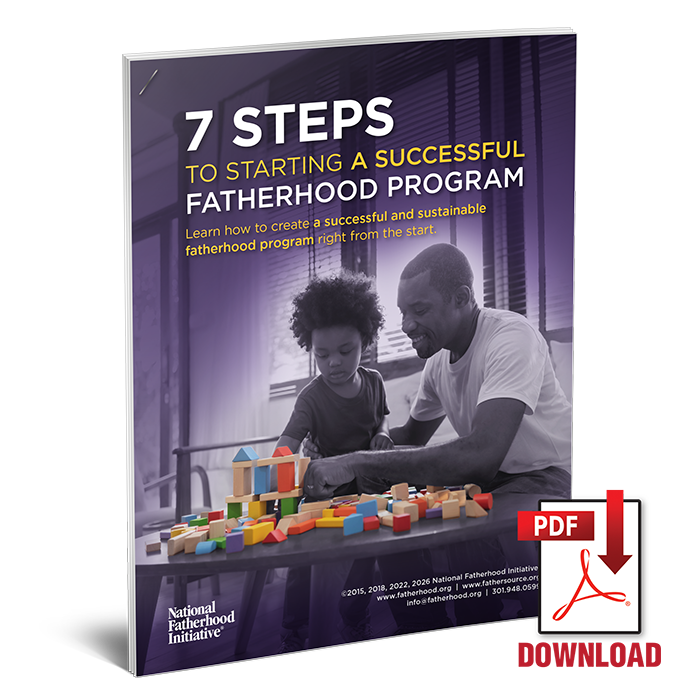
Learn How to Build a Fatherhood Program That Works
Download this free guide for a proven 7-step roadmap—from making the case and securing funding for your program, to launching and measuring real results!

%201%20(1).png?width=148&height=88&name=NFI_logo_blue_left%20(1)%201%20(1).png)


